Software engineer for custom web applications
Updated
A software engineer builds software that does real work for users: accounts, data, payments, workflows. I'm Ruben Bijker, an independent software engineer in Amsterdam who builds web applications. I design, build and run custom web applications for companies, from MVP to production platform.
What I build
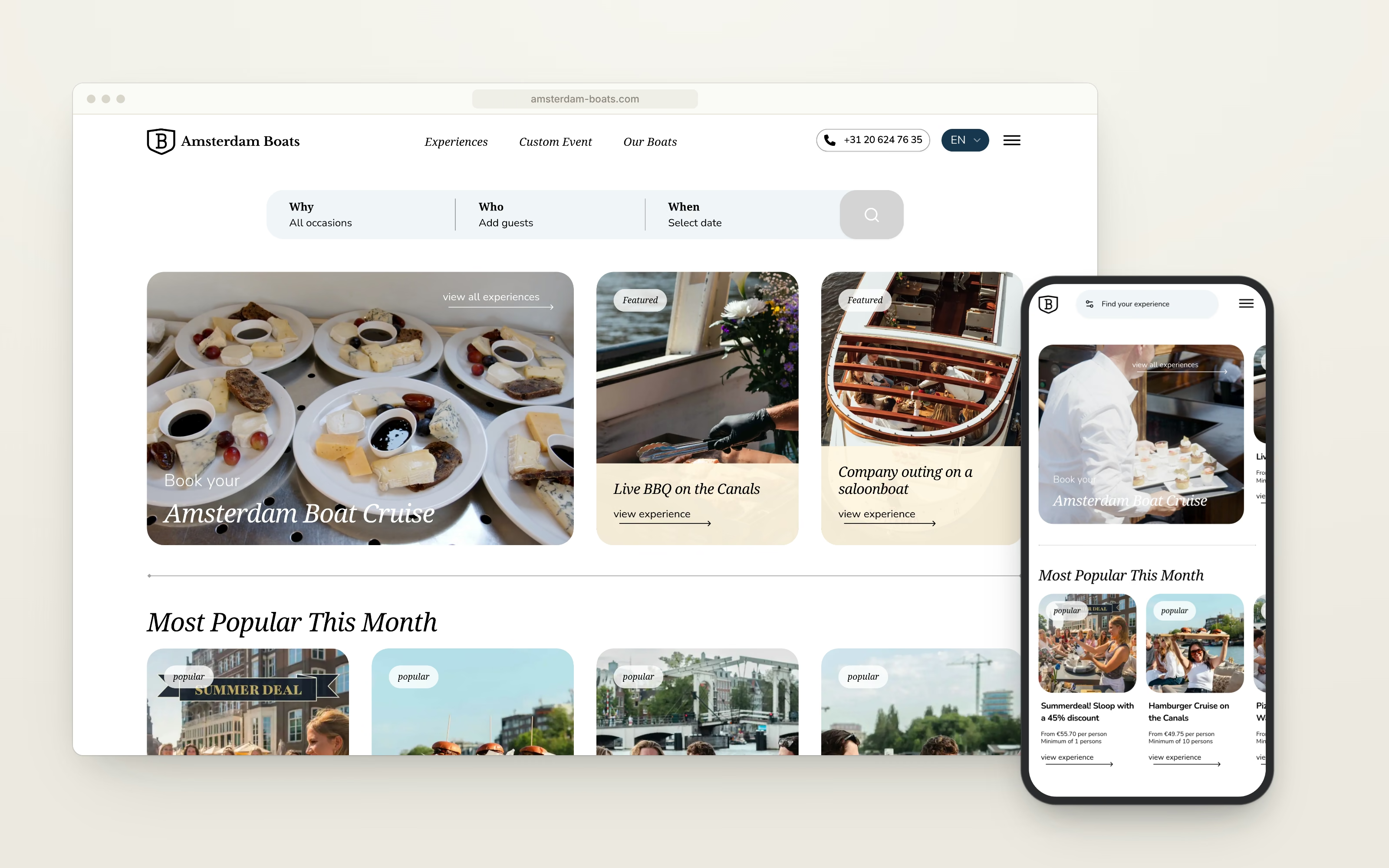
- Booking and commerce platforms. Amsterdam Boats is a canal cruise booking site built full stack with Next.js and Directus.
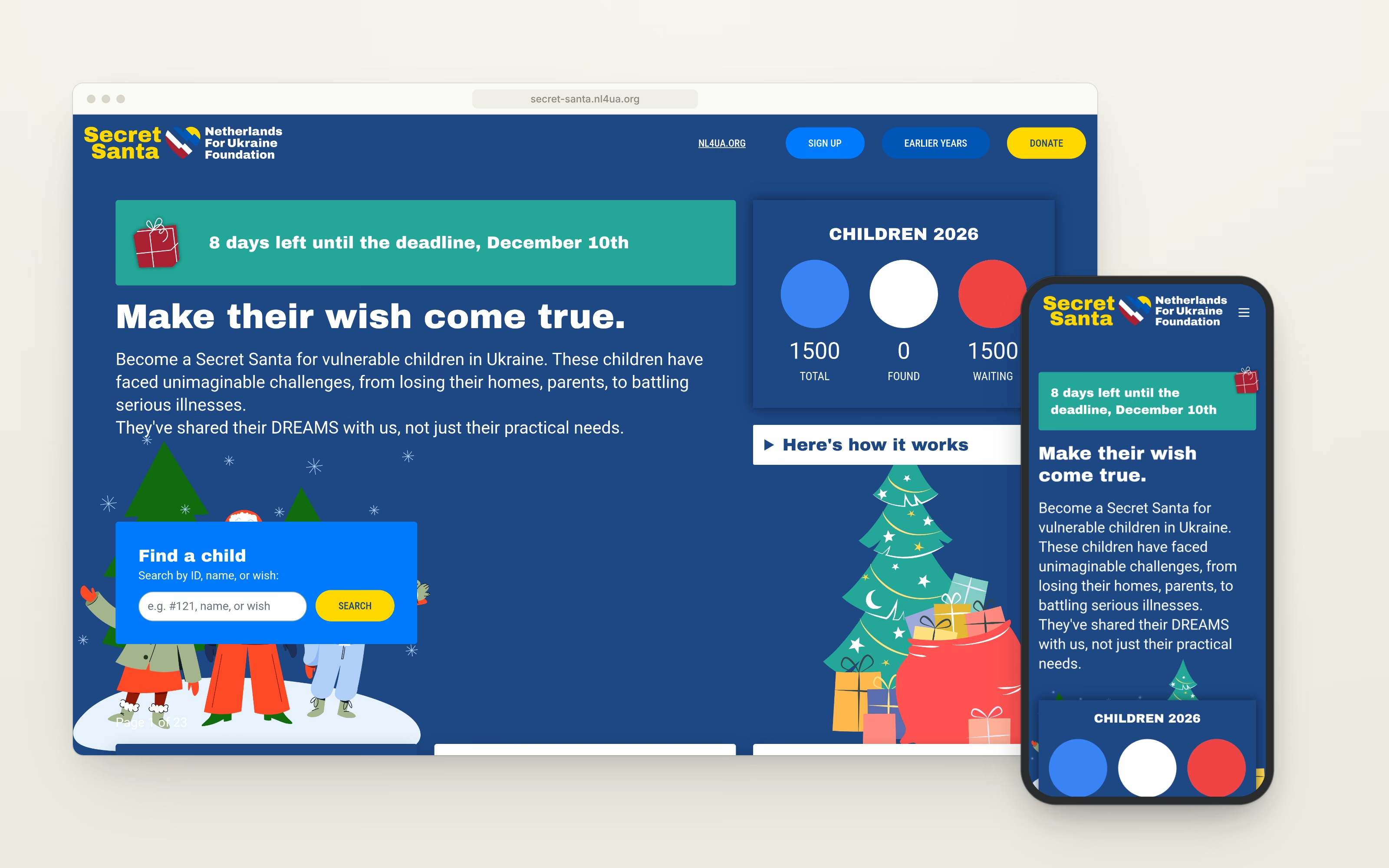
- Consumer and community apps. Secret Santa is a gift-exchange app built with Svelte, Tailwind, Supabase and Vercel.
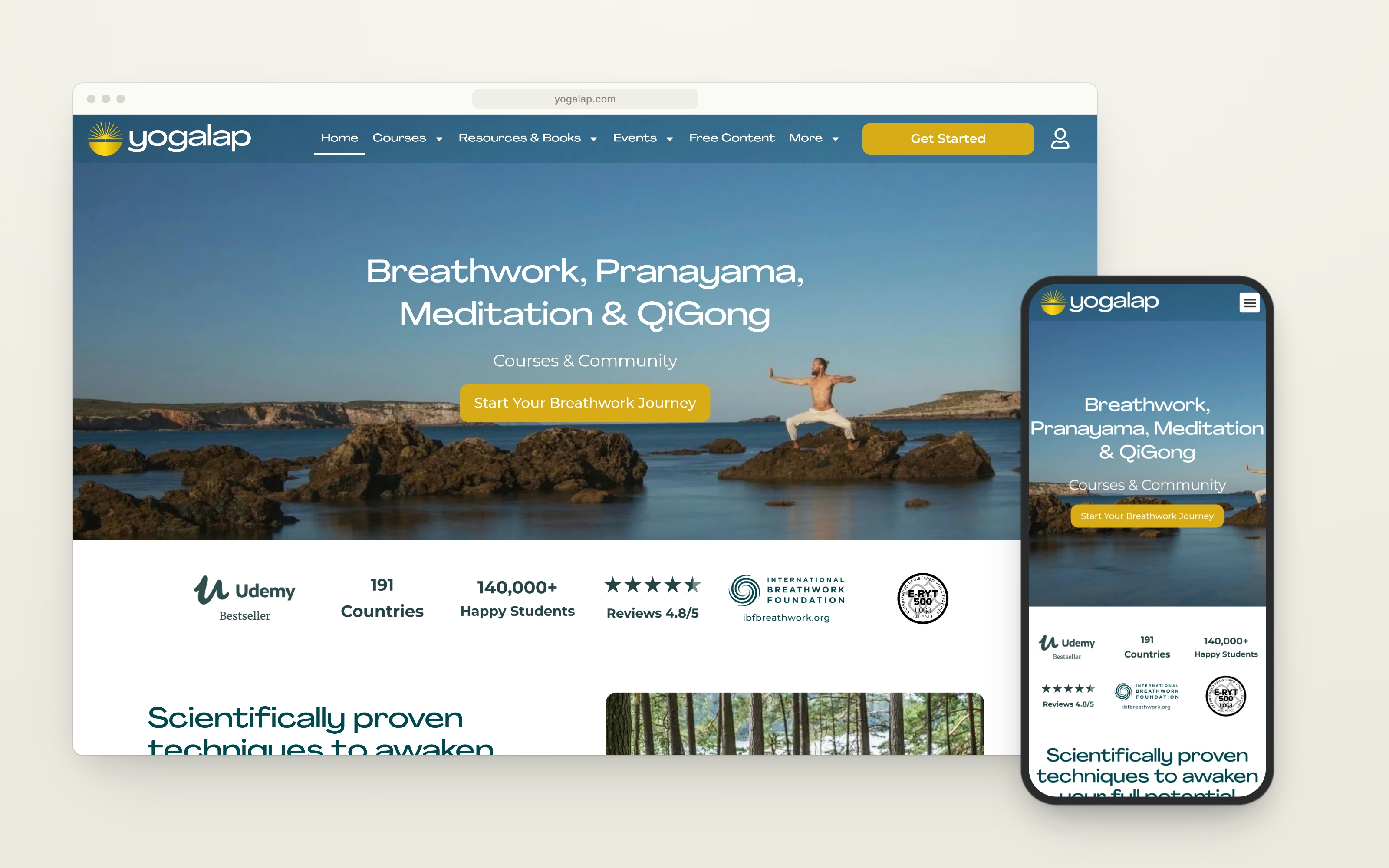
- Business platforms. Yogalap was built full stack with Laravel, JavaScript and Angular.
- Dashboards, internal tools and MVPs for companies that outgrew spreadsheets or off-the-shelf software.
When a custom web application is the right choice
Custom makes sense when your process is your competitive advantage, when off-the-shelf tools force awkward workarounds, or when you need to integrate several systems. If an existing SaaS product does the job, I will tell you so.
How I work
- Define the smallest useful version. We agree what the first release must do, and what waits.
- Design the flows. Key screens and user flows first, either by me or with your designer. See UX/UI design.
- Build in short cycles. Working increments you can click through, with automated checks and error tracking from the start.
- Launch, observe, improve. Hosting, monitoring and iteration after release, so the product keeps pace with real use.
Architecture you can live with
I choose boring, proven building blocks where possible and document decisions, so another developer can take over without a rewrite. AI does a large share of the typing; the architecture, security choices and review stay with me. See TypeScript in web projects for how I keep code safe to change.
Related reading
- API design: REST, GraphQL or tRPC
- TypeScript in web projects
- Choosing a stack: Next.js, Laravel or Svelte
Examples of my work
Frequently asked questions
- What is a web application, and how is it different from a website?
- A website mainly shows information. A web application lets users do things: log in, book, pay, manage data, or collaborate. It has accounts, a database and business logic behind the screen.
- How long does it take to build a custom web application?
- A focused first version (an MVP) typically takes weeks to a few months, depending on scope. A clear scope, a short feedback loop and an early launch matter more for the timeline than the number of developers.
- Can you build an MVP for my startup or internal tool?
- Yes. I help you cut the idea down to what must exist on day one, build that well, and structure the code so it can grow instead of being rewritten.
- Who owns the code and the data?
- You do. The code lives in your repository, hosting runs in your accounts where possible, and I document how everything works so you are never locked in to me.
- What technologies do you use for web applications?
- Typically Next.js or Svelte on the front end, with Laravel, Python, Directus or Supabase on the back end, hosted on Vercel or a self-managed server. The choice follows your requirements and your team.
Have a project in mind?
Tell me briefly what you need. You get an answer from me, not from a sales team.
Get in touchKeep reading
- API design: REST, GraphQL or tRPC?
How REST, GraphQL and tRPC differ, when each fits, and the design habits (versioning, errors, pagination, auth) that matter more than the protocol.
- TypeScript in web projects: practices that pay off
How to use TypeScript well in web projects: strict mode, runtime validation, shared types, testing and the pitfalls that undo the benefits.